In the hospital diagnosis and treatment system, oxygen is the "lifeline" for sustaining the lives of critically ill patients and ensuring surgical safety. The psa medical oxygen generator (Pressure Swing Adsorption Medical Oxygen Generator) is a key equipment developed to meet this core demand. As a core component of the medical oxygen generation plant, it realizes oxygen-nitrogen separation based on the principle of pressure swing adsorption, utilizing the selective adsorption characteristics of special adsorbents for air components. It boasts advantages such as fast oxygen production speed, stable purity, and no need for frequent consumable replacement. Compared with traditional oxygen supply methods using bottled oxygen or liquid oxygen, this psa oxygen generator can avoid the risk of transportation interruption and realize 24/7 continuous oxygen production. It is particularly suitable for high oxygen consumption scenarios such as tertiary hospitals, providing reliable support for key departments including emergency rooms, ICUs, and operating rooms.
Core Parameter Table
| Parameter Category | Specific Indicators |
| Oxygen Output | 100Nm³/h |
| Oxygen Purity | 99.5%±0.3% |
| Outlet Pressure | 0.4-0.7MPa (continuously adjustable) |
| Feed Air Requirement | Atmospheric pressure, humidity ≤80%, oil-free and dust-free |
| Unit Energy Consumption | ≤0.6kWh/Nm³ O₂ |
| Adsorbent Type | Medical-grade Lithium Molecular Sieve |
| Control Method | PLC Fully Automatic + Remote Monitoring |
| Safety Configuration | Online oxygen purity monitoring, overpressure protection, automatic backup system switching in case of power failure |
| Equipment Dimensions | Length × Width × Height = 6.2m × 2.8m × 3.5m |

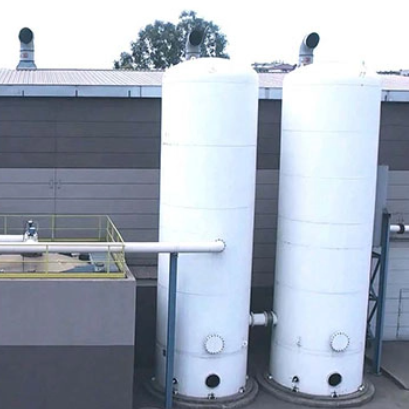
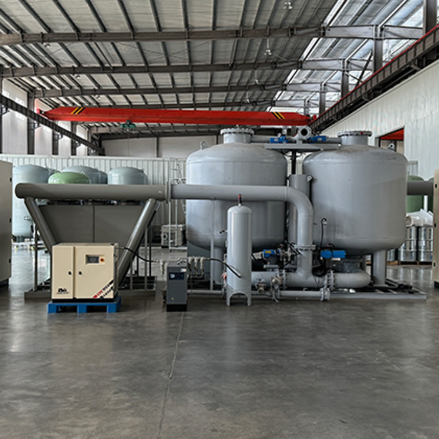
Why is the psa oxygen plant for hospital Indispensable for Modern Hospitals?
After the pandemic, hospitals' demand for "independent" oxygen supply has significantly increased. Traditional bottled oxygen has problems such as transportation delays, limited reserves, and high costs, while the pressure swing adsorption oxygen plant (Pressure Swing Adsorption Oxygen Plant) can fundamentally solve these pain points. An oxygen output of 100Nm³/h can simultaneously meet the needs of 30 ventilators, 20 operating rooms, and hundreds of beds for routine oxygen therapy. The 99.5% high-purity oxygen can be directly used in key departments such as neonatology and ICU without secondary purification. In addition, the equipment adopts a modular design, which can be gradually expanded as the number of hospital beds increases. Compared with liquid oxygen storage tanks that require huge one-time investment, it is more in line with the long-term development plan of hospitals.
Core Advantages of psa technology for oxygen generation in Medical Scenarios
Medical oxygen generation has much higher requirements for "stability" and "safety" than industrial scenarios. The psa technology for oxygen generationadapts to hospital needs through two core designs: first, the alternating operation mode of double adsorption towers ensures continuous oxygen production, avoiding the intermittent oxygen production problem of single-tower equipment; second, the medical-grade filtration system can filter moisture and impurities in the produced oxygen to below 0.1μm, complying with the sterile standard for medical gases. Compared with the Vacuum Swing Adsorption Oxygen Generator, this technology has lower investment costs and simpler maintenance in small and medium output scenarios (50-200Nm³/h), making it more suitable for the actual needs of most general hospitals.
Working Principle and Daily Maintenance Focus of Medical psa oxygen plant working
ThePSA Oxygen Generator Working Principle is not complicated: after being compressed, degreased and dehydrated, the air enters the adsorption tower; the lithium molecular sieve preferentially adsorbs impurities such as nitrogen and carbon dioxide, and the oxygen with 99.5% purity is sent to the hospital pipeline after pressure stabilization by the buffer tank; when the adsorption tower is saturated, the system automatically switches to the other tower for operation, while the saturated tower is regenerated by pressure relief to realize continuous oxygen production. Three key points should be focused on in daily maintenance: check the online oxygen purity monitoring data daily to ensure the purity is not lower than 99.2%; clean the air filter weekly to avoid dust blockage affecting adsorption efficiency; calibrate the pressure sensor and alarm system quarterly to ensure the safety devices are sensitive and reliable.
In conclusion, the 100Nm³/h 99.5% high-purity psa oxygen generator is not only a core equipment for hospitals to ensure oxygen supply safety, but also a wise choice to reduce long-term operating costs. Through the mature Pressure Swing Adsorption Oxygen Production Technology, it directly converts air into medical oxygen, completely getting rid of the dependence on external oxygen supply and building an independent, stable and economical oxygen supply system for hospitals.